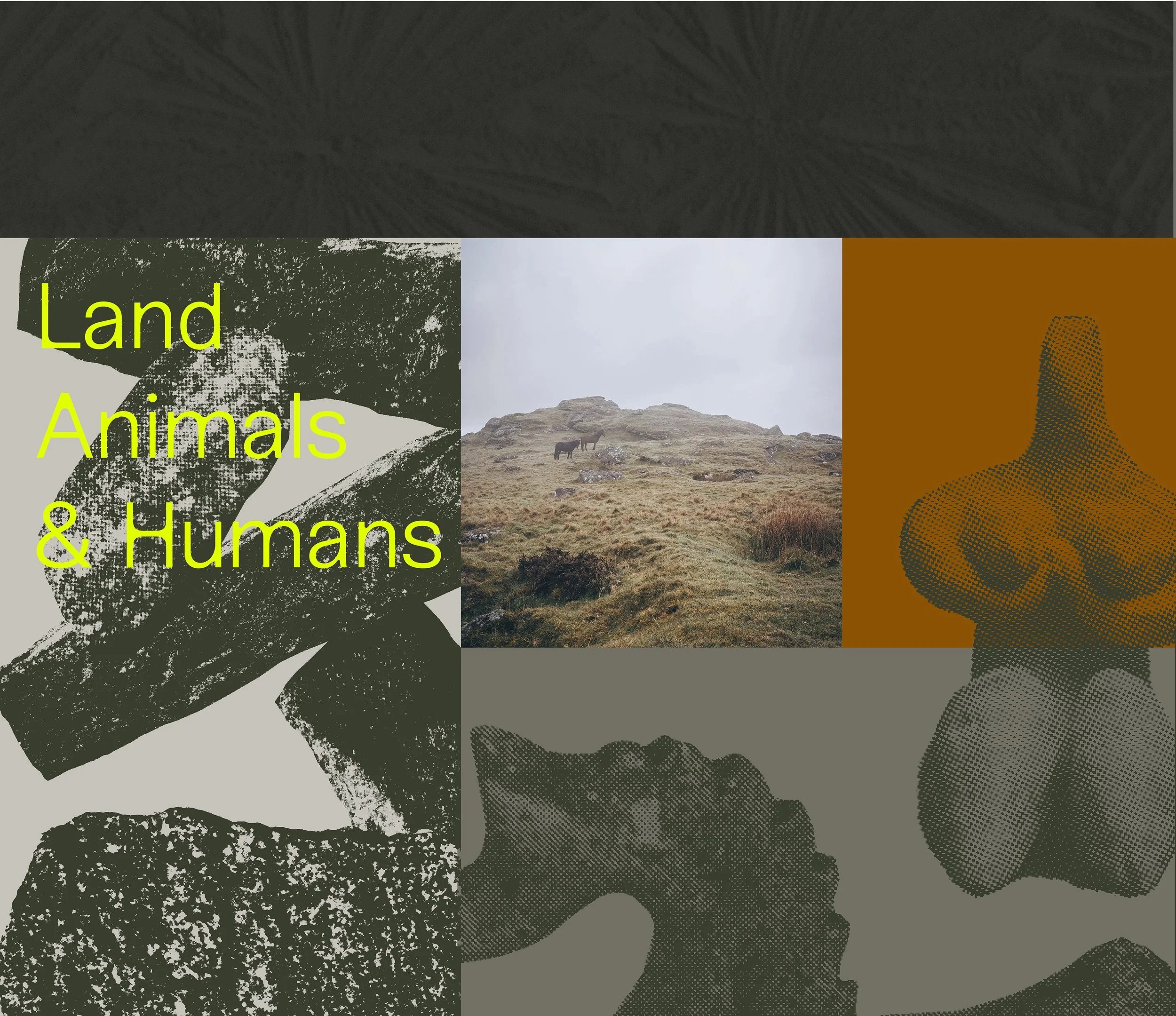
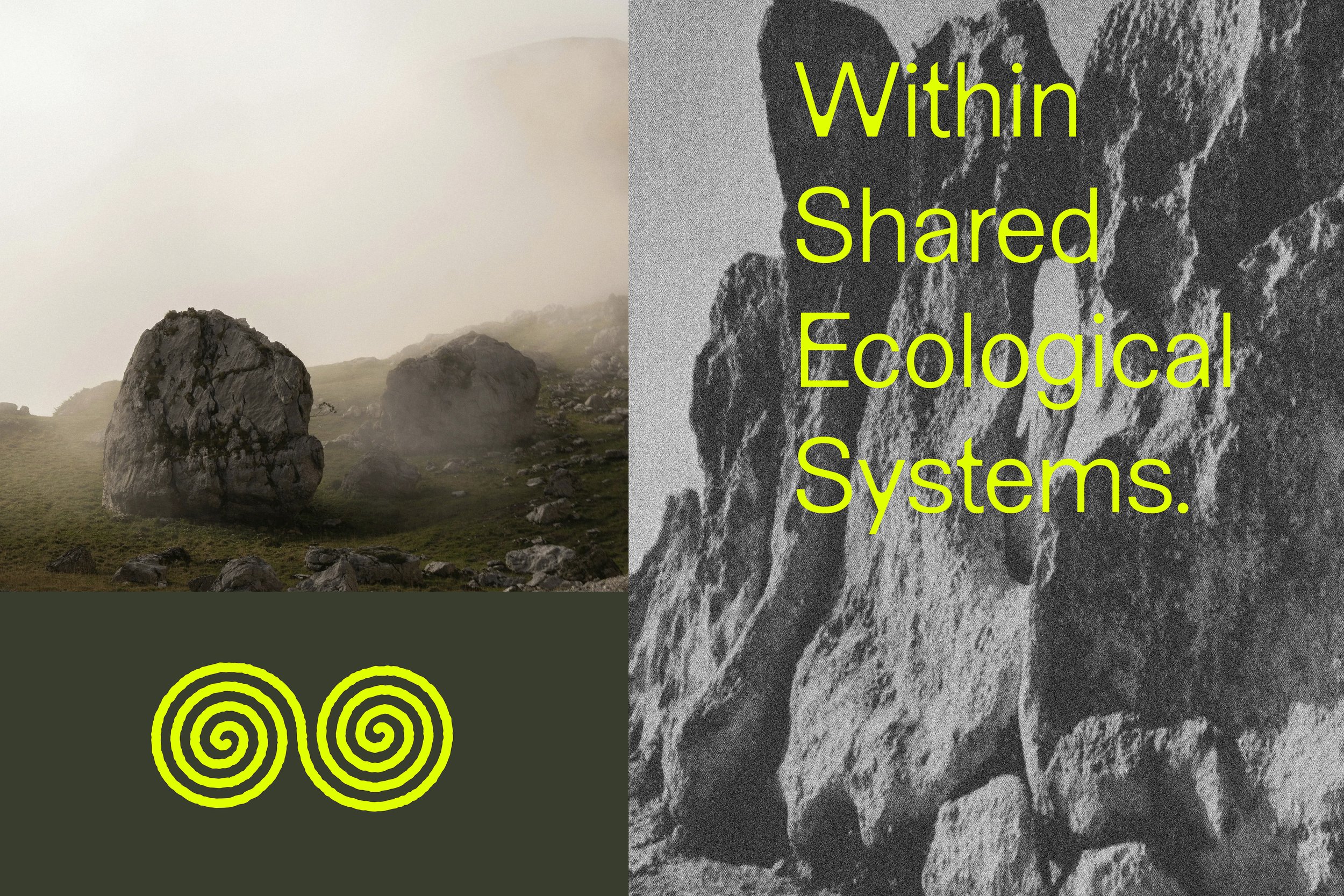
tērra animá is an evolving organism of research and practice, considering how land, animals, and humans exist within ecological systems.
Land, animals, and humans are recognised as co-participants with their own interests, integrity, histories, and trajectories. Human presence is embedded within this ecology but does not determine it.
The work moves between practice and philosophical inquiry, exploring how humans engage with land and animals without expectation of control, ownership, or reciprocity.
tērra animá is committed to sustained inquiry, developing understanding through long-term ecological engagement and what we now call, ecological pastoralism.
ETHOS
LAND AND NON -HUMAN ANIMALS
The relationship between land and animals is shaped by soil, vegetation, seasons, weather, and movement, with the well-being of ecological systems in mind.
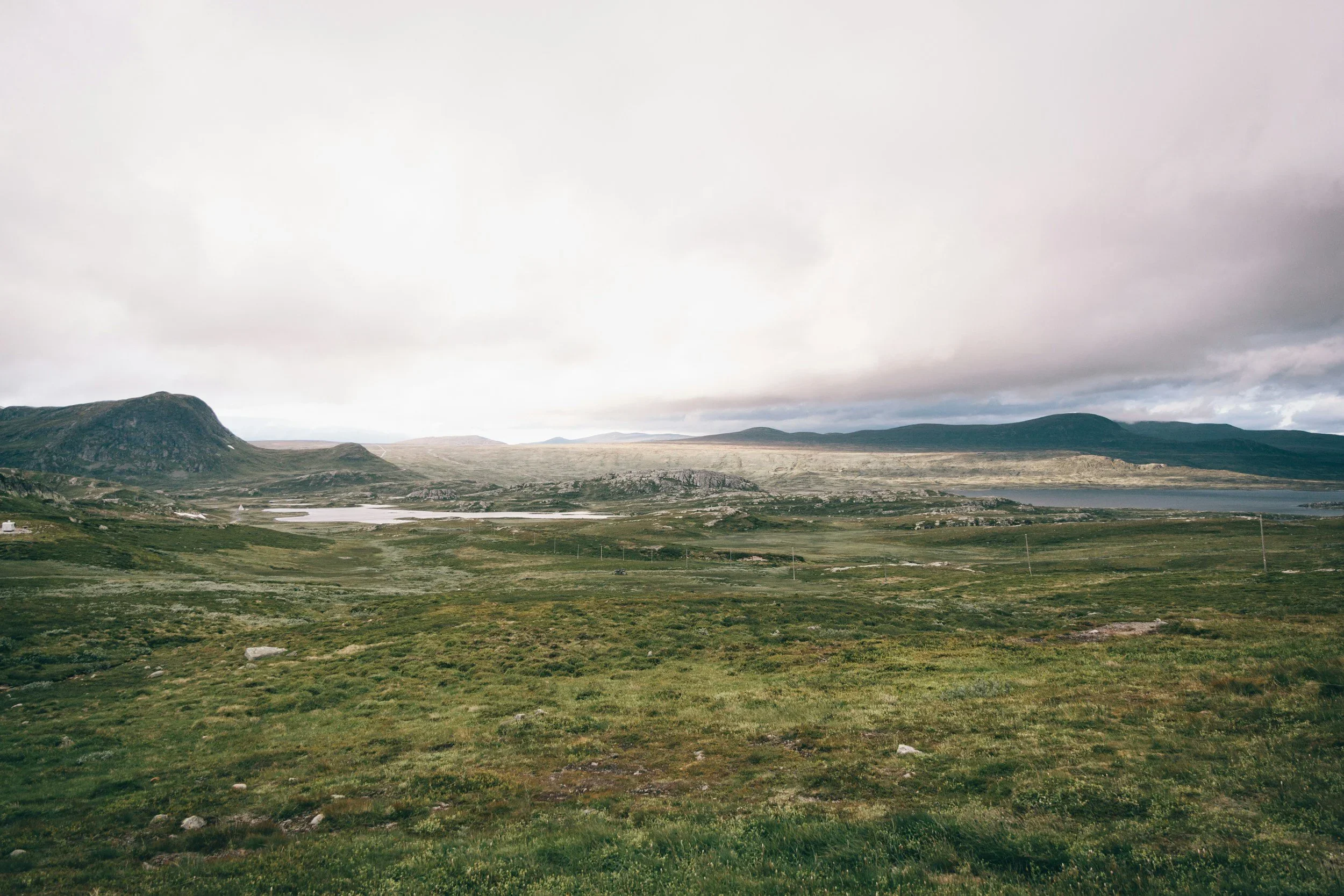
This ethos is adaptive and responsive, recognising uncertainty and the human role within complex ecologies. Animals follow their own trajectories as autonomous beings. Land is understood as a living system with its own dynamics and processes. The focus is on working with what already exists, allowing patterns to emerge through repetition and continuity. Responsibility lies in sustained attention rather than intervention. This work is informed by established ecological and conservation practice.
tērra animá is currently seeking land-based partnerships with landowners, estates, or conservation projects.
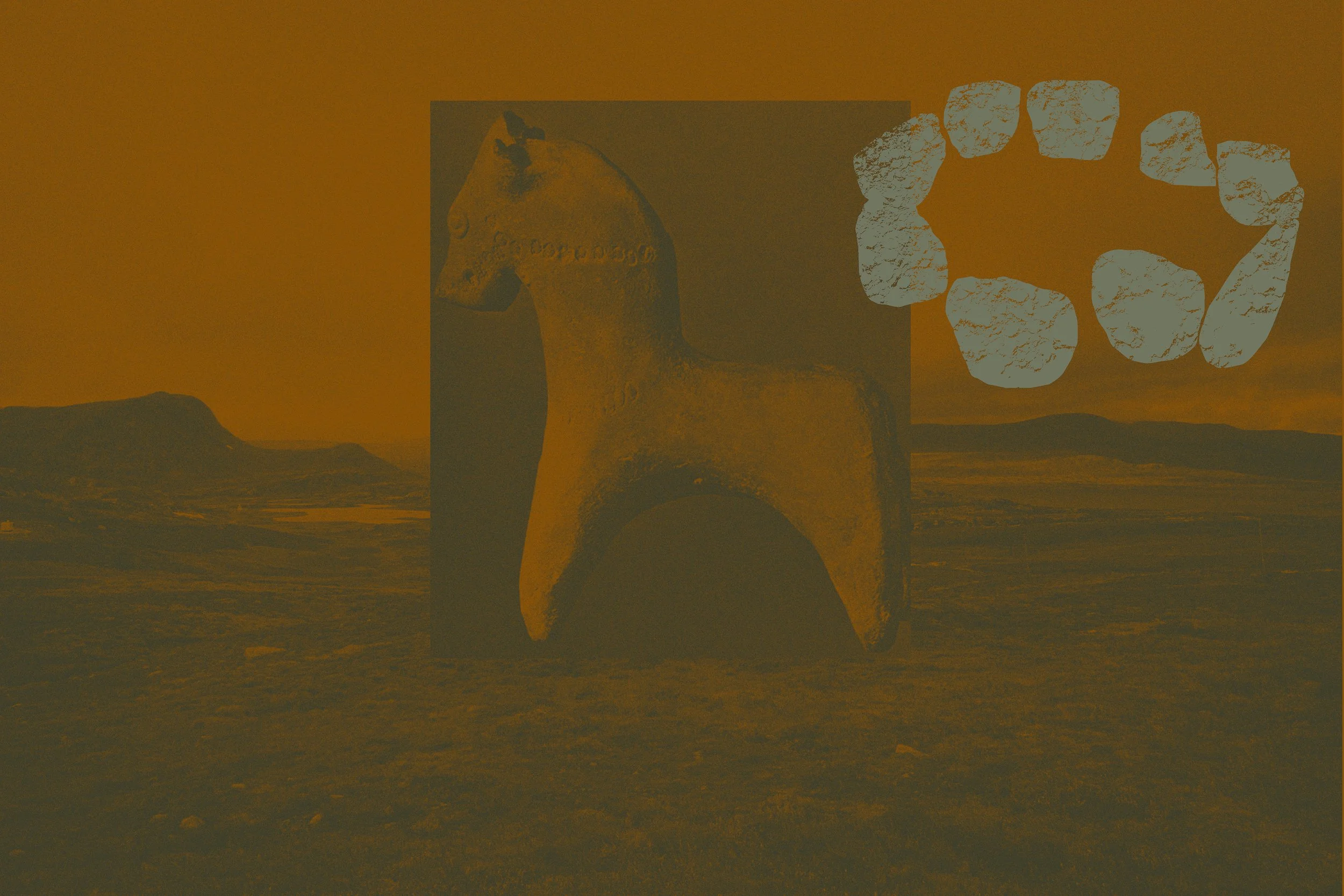
Land and place are observed through continuity, the land remains primary, rather than responsive to human schedules or demands. Human presence is secondary and contingent, shaped by the land, allowing a natural unfolding through seasons.
Space held in this way is not organised around activity. Activity is determined by the land, not by human schedules or intent.
SPACE
Writing lives and develops alongside work with the living ecosystem
RESEARCH AND WRITING
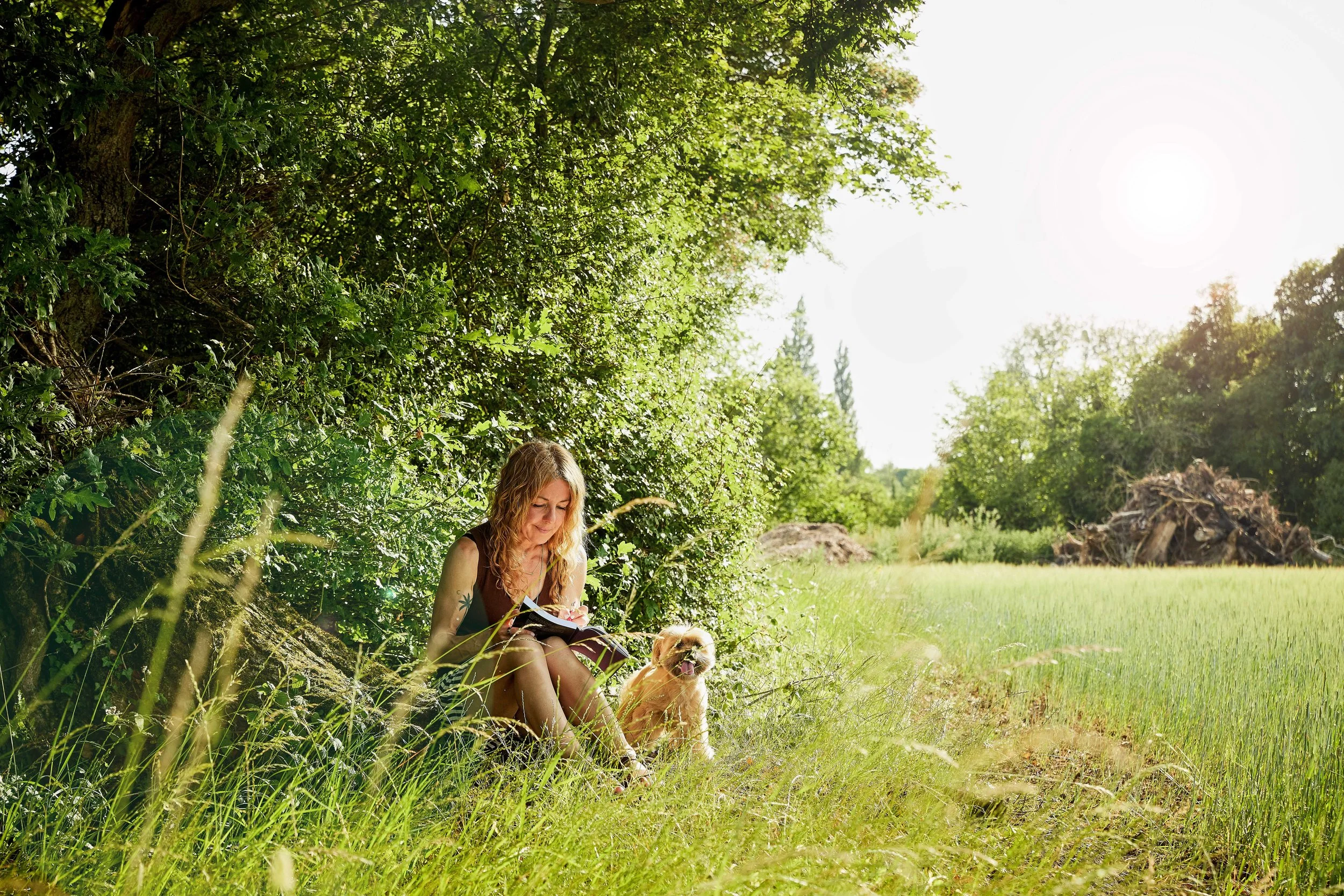
Research and writing devlops within the living ecosystem, a way of staying in connection and capturing lived experience. It moves towards a clearer articulation of how humans, animals, and land co-exist within the ecosystem, and where existing approaches fail to hold that complexity. It draws on anthrozoology (with a focus on equids), ecology, ethology, and philosophy.
Open to collaboration.
Coaching takes place on the land, in conversation with the living world …
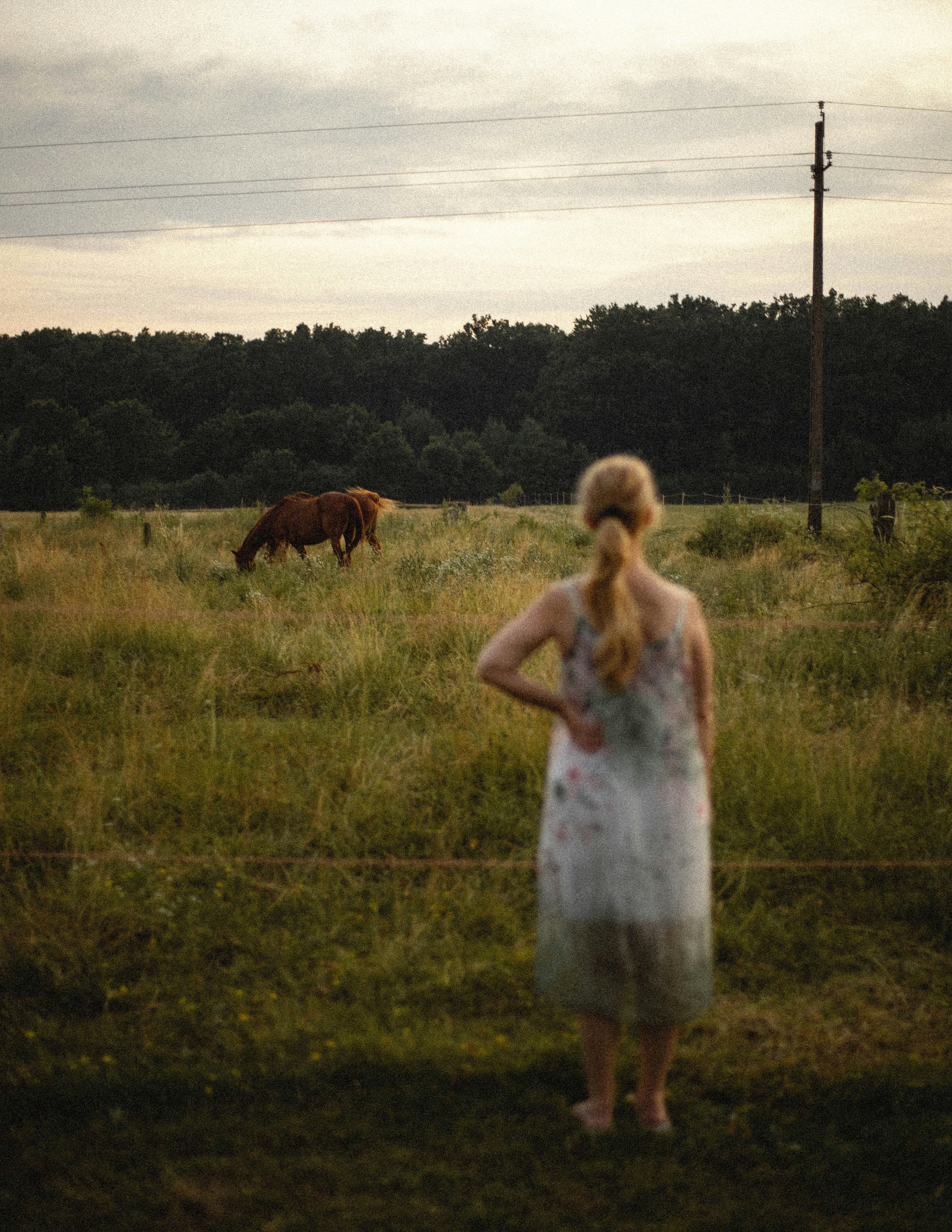
COACHING
Sometimes in the presence of horses and other animals. Sessions are shaped by place, reflection, and what emerges through time outdoors, drawing on ecopsychology.
Sessions are one-to-one, in small groups or online. This is non-clinical work with clear ethical boundaries. When animals are present, their involvement is never directed and they are free to leave at any time. It may suit those seeking a slower, reflective way of working, with an interest in land, ecology, and the place of humans within ecological systems.
Claire Martin (MNCIP) is a dual-qualified, registered, and insured coach with over 500 hours of continuing professional development.
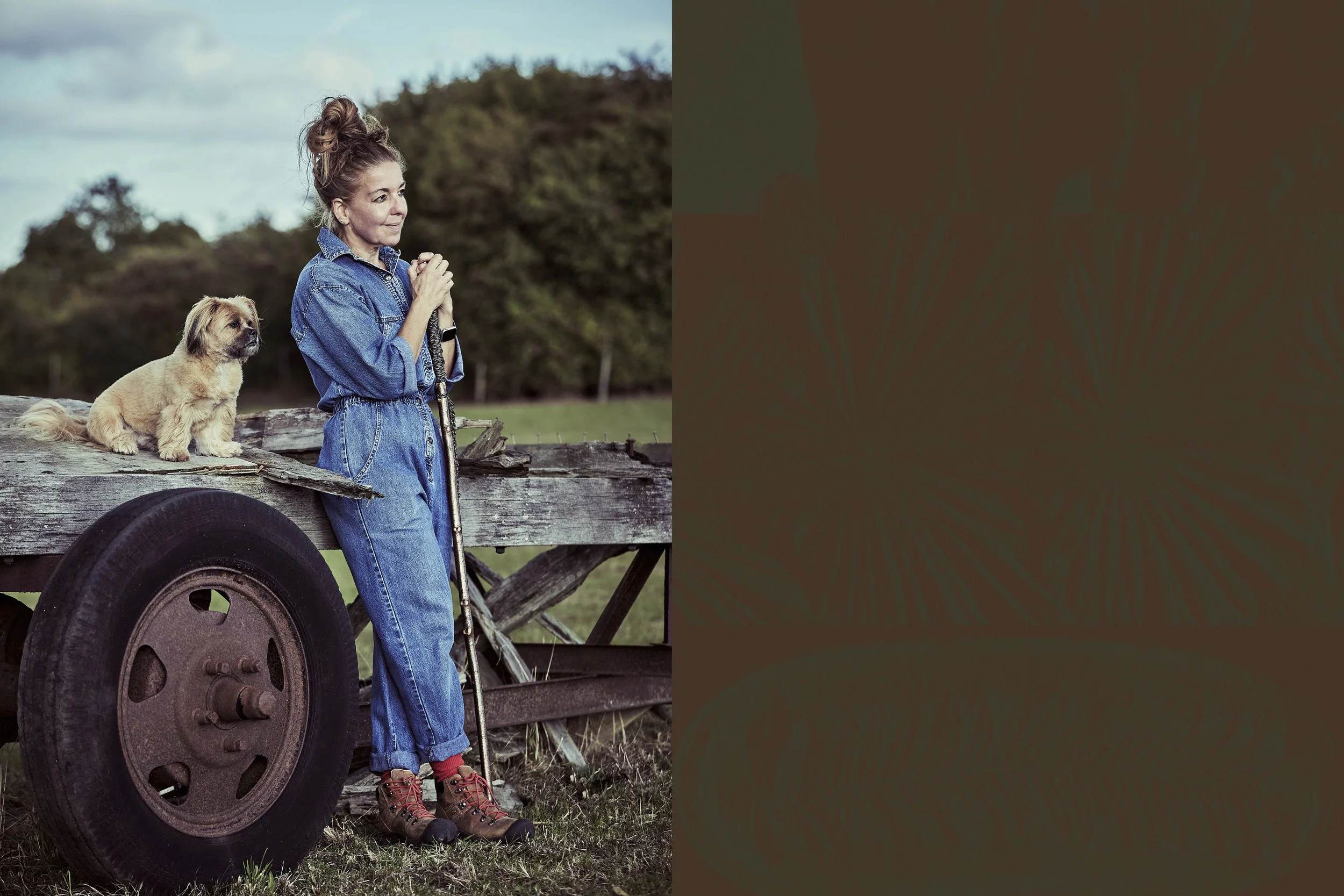
Claire Martin (MNCIP) is an anthrozoologist, land-based practitioner, and writer. Her work focuses on how land, animals, and humans exist within shared ecological systems.
She is currently completing an MA in Anthrozoology at the University of Exeter, where her interdiciplinary work draws on the more-than-human world, philosphy, ethology, geography. ecology, ecopsychology, and mythology.
With a lifelong connection to horses, she is now interested in observing free-living herds. Her focus is on multispecies systems, animal agency, and the implications of human presence within them
Alongside her academic and land-based work, Claire holds two qualifications in Equine-Facilitated Learning, maintains supervision and undertakes ongoing professional development.
She holds an advanced certificate in Conservation Grazing (Lantra) and works using Savory Institute principles and draws on aspects of biodynamic philosophy.
Current ongoing training includes Level 7 in Plant Identification and Habitat Assesment at the University of Oxford.
Claire also sits on the Institutional Animal Care and Use Committee (IACUC), for Equine International.
She is also the founding director of Mill Co., a London-based creative workspace company.
GET IN TOUCH